View Service
Category: Uncategorized
View Service
Category: Uncategorized

View Service
Category: Uncategorized

View Service
Category: Uncategorized
CONTACT US
Unit 29/19 McCauley Street, Matraville NSW 2036, Australia
Specialising in Commercial & INDUSTRIAL Sites
INDUSTRY LEADING CUSTOMER SERVICE
Less Headaches
2020 HVAC Services is part of a 15-year-old group of building services businesses delivering comprehensive solutions for HVAC, fire safety, energy management, and building automation. Our expertise spans design, installation, maintenance, and compliance auditing, ensuring that commercial, industrial, and residential buildings operate safely, efficiently, and in full regulatory compliance.
There is no HVAC company more focused on customer service than 2020 HVAC Services. We make HVAC installation, maintenance, and compliance simple, transparent, and hassle-free. #lessheadaches
experts in Fire Safety
View Service
View Service
View Service
View Service
View Service
View Service
From a one-off repair job to a five year comprehensive, state-wide portfolio give us a call on 1300 340 210
Request a free quote and report valued at $750
Complete this form and receive our free:
Make the process easy by choosing the HVAC specialists that give you the least headaches!
"*" indicates required fields
FREQUENTLY ASKED QUESTIONS
The Annual Fire Safety Statement (AFSS) is a legal requirement that confirms your building’s fire safety measures have been inspected, tested, and are compliant. Both fire protection systems and mechanical/HVAC systems play a role in ensuring occupant safety.
Your HVAC system connects directly with fire systems through interfaces such as smoke detectors, dampers, and fans. During a fire event, these systems need to work together seamlessly to control smoke and allow safe evacuation.
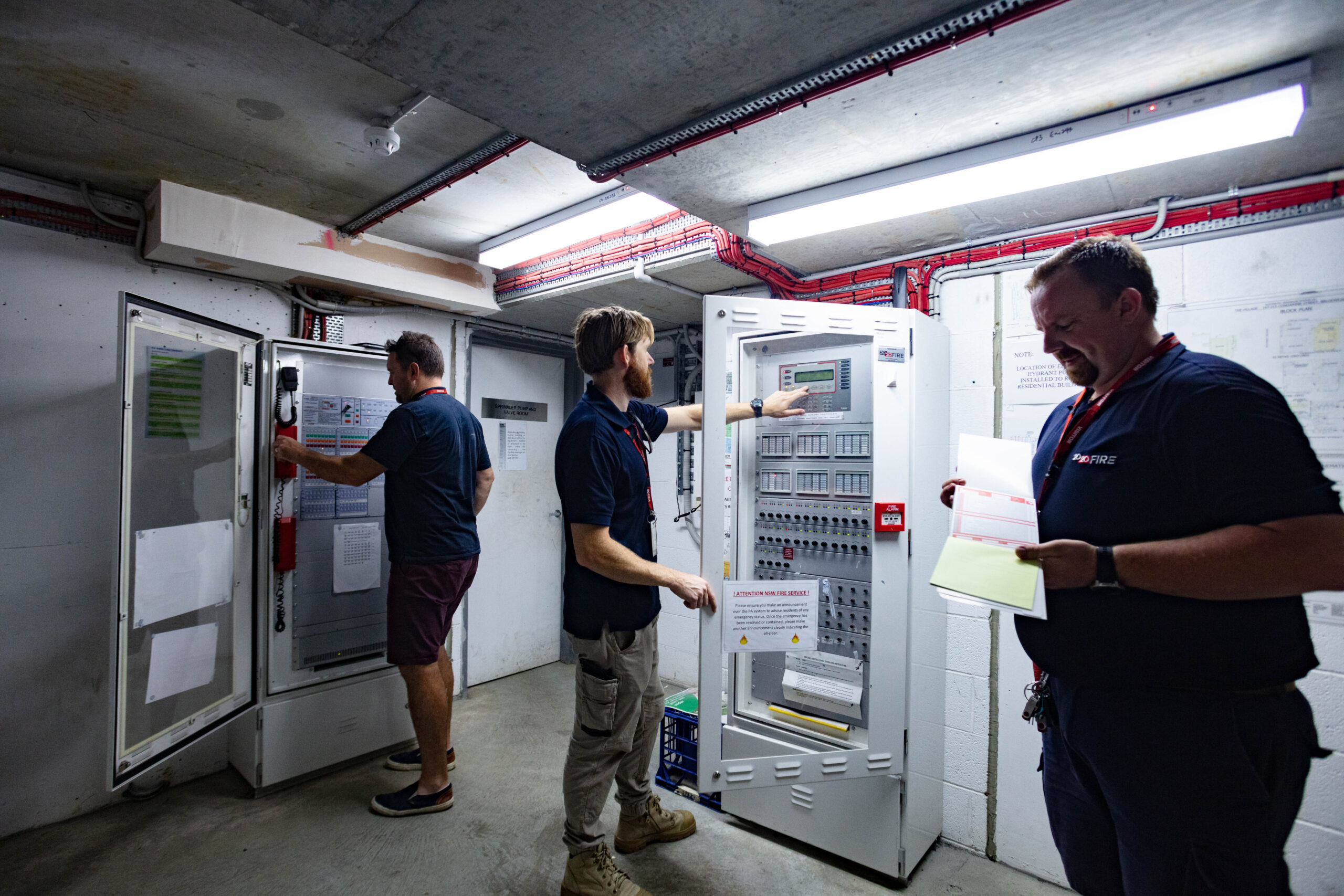
Interface testing checks that your fire and HVAC systems “talk” to each other properly. For example, when a fire alarm activates, we confirm smoke exhaust and stair pressurisation fans start, supply fans stop, and fire dampers close. Without proper testing, these critical safety functions may fail and occupants may be left in an unsafe building.
Stair pressurisation systems are designed to keep stairwells smoke-free during a fire by maintaining higher air pressure in the stairwell compared to the fire-affected areas. This ensures occupants have a safe escape path and firefighters have clear access. These systems must be routinely tested in line with AS 1851-2012.
We fix it free and credit $200 off your next invoice.
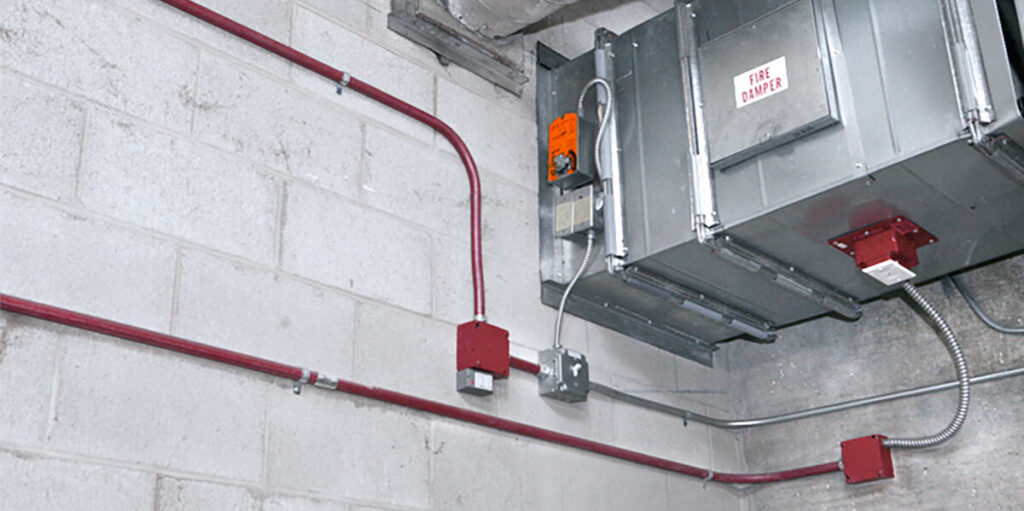
Fire and smoke dampers automatically close when fire or smoke is detected, preventing the spread of flames and smoke through ductwork. Without them, HVAC ducts can become a pathway for fire, compromising the safety of the entire building.
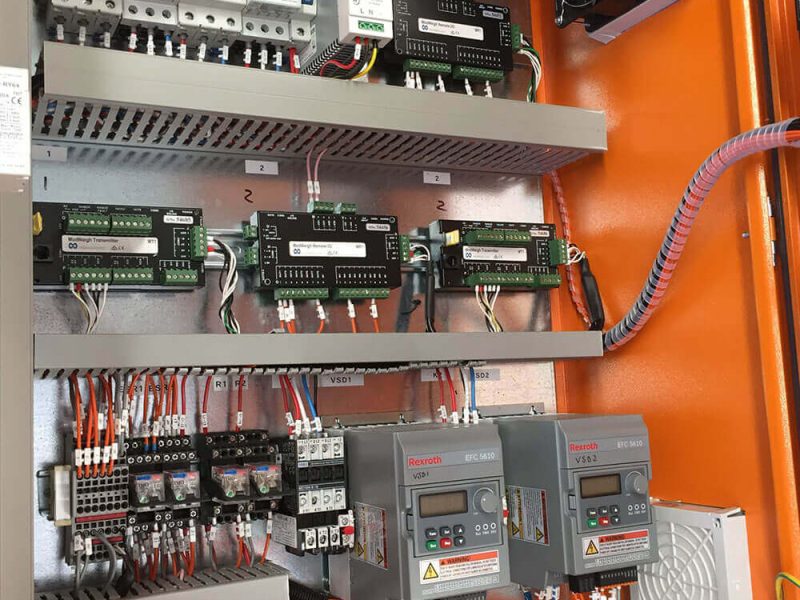
A VSD controls the speed of motors in fans and pumps. This improves energy efficiency, reduces wear, and ensures systems can ramp up or down during fire mode (e.g., smoke exhaust fans moving to full speed). Testing VSD response is part of compliance.
Yes. With 2020 Fire Protection and 2020 HVAC Services working together, we streamline your AFSS process. Instead of coordinating multiple contractors, you get one integrated team who understands both sides — saving time, cost, and reducing compliance risks.
Absolutely. Having both fire and HVAC testing under one roof means less scheduling hassle, fewer delays, and a smoother sign-off process. Our goal is to give you a complete, compliant, and headache-free AFSS experience.
The main standard is AS 1851-2012 – Routine Service of Fire Protection Systems and Equipment. For HVAC systems specifically, compliance must also align with the Building Code of Australia (BCA), National Construction Code (NCC), and Australian Standards such as AS 1668 (mechanical ventilation and smoke control).
We recommend routine servicing every 6 months, depending on the type of system and how heavily it’s used. Regular servicing helps extend the life of your equipment and ensures maximum efficiency. Some system maintenance is required by AS 1851-2012, and we can tailor your maintenance program to match both your operational and compliance needs.
Neglecting maintenance can lead to higher energy bills, poor air quality, breakdowns, and costly repairs. It can also impact compliance with workplace health and safety standards and lead to an unsafe building for your occupants.
Dirty filters, blocked coils, and poor airflow can increase CO₂ levels, spread dust, mould, and bacteria, and cause occupant discomfort or illness. Regular servicing ensures your system provides clean, fresh, and safe air.
Yes. Keeping accurate maintenance records not only helps with warranty but also ensures compliance with industry standards and building regulations.
The cost depends on the size, type, and condition of your building and system, as well as the legislated service requirement. We provide clear, tailored quotes so you know exactly what to expect.
Our aim is to deliver clear communication, reliable service, and minimal disruption. If you feel we’ve fallen short, we want to know so we can make it right and ensure your experience is better than the last provider. Every communication will have the opportunity for you to give live feedback direct to our senior management team.